Here's the thing about sensation after 45
Your orgasms are not going anywhere. But the path to them might shift. Nerve sensitivity changes, blood flow patterns adjust, and what used to work in two minutes might now take five or ten. That's not failure. It's just different wiring. And honestly, different wiring often means better orgasms, not worse ones, if you know how to work with it.
I've spent decades working with couples navigating midlife transitions, and the pattern I see most often is this: people assume sensation loss is permanent. It isn't. It's just invisible until you have the right tool and the right information.
Why sensation actually shifts (and it's not what you think)
Three things happen after 45 that change how your body responds to touch.
Nerve endings don't disappear, but blood flow to sensitive tissue becomes less automatic. Your body needs a longer warm-up period because arousal isn't an instant flip anymore. It's a gradual build. This is frustrating only if you're expecting it to work the way it did at 25. If you adjust your expectations and your timeline, it becomes an advantage.
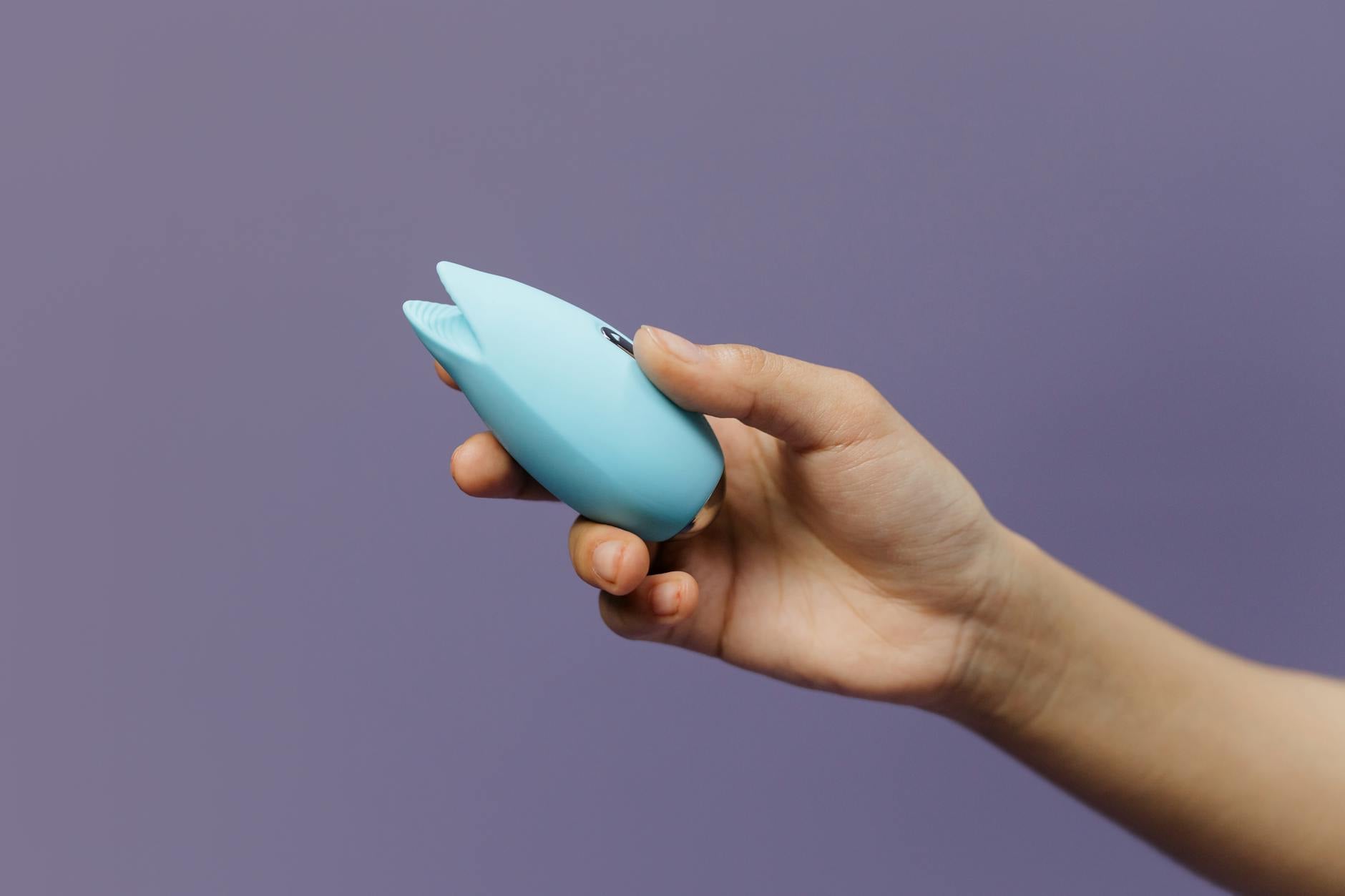
Skin thickness changes. The tissue around your vulva gets less plump from hormonal shifts. This doesn't make sensation worse. It actually makes your nerves more accessible. Direct pressure feels sharper, which is why traditional vibration can feel too intense. Air suction and pulsing patterns, by contrast, stimulate without the mechanical pressure. This is why lemon vibrators and suction toys often feel revelatory for people in this stage of life.
Mental load lifts. By 45, you've usually stopped performing pleasure for an audience. You're no longer cycling hormones that influence mood and responsiveness. You know your body. You know what you want. That mental clarity changes everything. Many of my clients report that their most intense orgasms arrive in their late 40s and 50s, and it's specifically because the noise has cleared.
How clitoral vibrators help recover sensitivity
Let's talk mechanics. Your clitoris has eight thousand nerve endings concentrated in a small area. After 45, getting those nerves to fire takes a different kind of stimulation.
Vibration patterns work better than direct buzz. A standard vibrator running one continuous speed often doesn't penetrate the right layer of tissue. Pulsing patterns, rhythm changes, and variable intensities mimic the way arousal actually builds in your body. When you use a lemon vibrator, the suction mechanism combined with gentle pulsing doesn't desensitize you the way rough vibration can. It wakes up nerves that have gone quiet without exhausting them.
Warm-up time becomes your friend, not your enemy. At 30, you might have been ready in three minutes. At 45 or 50, budget 15 to 20 minutes. Start at the lowest setting. Let your body recognize the sensation, let blood flow increase, let arousal actually build. This isn't longer because something is wrong. It's longer because sensation is being rebuilt systematically, not rushed. The orgasm that arrives after a proper warm-up is almost always more intense than the quick hit you used to have.
Suction feels different than vibration for a specific reason. Air suction toys create a gentle pulling sensation that stimulates nerves without direct friction. For people whose tissue is more sensitive or whose sensation has become numb from years of one type of stimulation, suction wakes things up without overwhelming them. It's why so many people over 45 say a lemon sucker toy feels like discovering orgasm for the first time.
The three-phase approach to recovering sensation
Here's the framework I use with couples working through this shift.
Phase one: Exploration without pressure (weeks one to two). Use your lemon vibrator on the lowest setting. Don't chase orgasm. Spend ten minutes noticing where sensation is alive and where it feels numb. Map it. You'll probably find that the right side of your clitoris is more sensitive, or that the inner labia respond differently than the outer. This information is gold. You're not trying to come. You're learning what your body is actually capable of right now.
Phase two: Pattern discovery (weeks two to four). Move through the rhythm settings on your device. Most clitoral vibrators have four to eight patterns. Find the two or three that create a building sensation rather than just pressure. You want to feel arousal escalating, not plateauing. If you're with a partner, this is a good time to involve them as an observer, not a participant. Having someone else witness your pleasure (without touching) can rewire shame and self-consciousness.
Phase three: Integration (week four onward). Once you've found your patterns, you can use them during partnered sex, solo play, or both. The key is that you're no longer guessing. You know what your body needs. You're not waiting for a partner to figure it out. You're driving. And that control is what makes sensation recovery real and lasting.
Why sensation recovery actually leads to better orgasms
I need to be direct about this because it contradicts what most people assume. The orgasms people have after recovering sensation over 45 are often more intense, more sustained, and more satisfying than the quick ones they had in their 20s and 30s.
Why? Because you're no longer chasing novelty. You're chasing depth. Your body is no longer flooded with hormones cycling you toward and away from arousal. You're working with stable neurology, which means you can build and sustain intensity in a way that's actually harder when you're cycling. Multiple orgasms become more possible because your baseline doesn't drop as dramatically between them.
Thousands of people using lemon vibrators and similar air suction toys report something consistent: the sensation recovery phase, which lasts maybe four to eight weeks, leads to a new baseline of pleasure that's higher than anything they had before. Not higher than they remember from their 20s. Higher than they've ever actually experienced.
The practical setup that works
Three things make the difference between a clitoral vibrator feeling like a waste and it feeling transformative.
First, water-based lubricant. Your natural lubrication might be less available after 45, especially if you're cycling hormones or taking medication. Good lubricant isn't a sign of dysfunction. It's infrastructure. Use it from the first session. A water-based lube is compatible with silicone toys and feels natural against sensitive tissue.
Second, time. Set aside 20 to 30 minutes when you're not watching the clock. This isn't about duration. It's about permission. Your nervous system knows when you're rushing. It won't relax into deeper sensation if you're anxious about time.
Third, darkness or soft light. You don't need music or candles unless you want them. But reducing visual input helps you tune into physical sensation. Many people over 45 report that they can access sensation more easily in lower light because they're not distracted by their own reflection or the space around them.
When to bring a partner into the process
If you're partnered, involving them in sensation recovery changes the dynamic in ways that spill into the rest of your intimacy.
Start by telling them what you're doing and why. "I'm rebuilding sensation with a lemon vibrator over the next month. I'd like you to watch sometimes so you can see what I'm learning." Most partners find watching their partner's pleasure pathway far more interesting than being asked to perform the pleasure themselves. It shifts you from a team trying to make something happen to two people exploring together.
After you've done phase one and two alone, you can bring them into phase three. But only after you know what works. This prevents you from defaulting to them and losing the thread of what you've discovered about yourself.
FAQ: Common questions about sensation recovery and lemon vibrators
Will using a clitoral vibrator make me dependent on it?
No. The research on vibrator use shows the opposite. People who use vibrators as part of exploring sensation actually develop broader pleasure pathways, not narrower ones. You're training your nervous system to recognize and build sensation. Once your nerves wake up, you can access pleasure through touch, partnered sex, or toys. The vibrator is the training tool, not the only path.
How long does sensation recovery usually take?
Most people feel a noticeable shift within three to four weeks of consistent, intentional use. Full recovery, where orgasms feel as intense and accessible as you want them to be, often takes eight to twelve weeks. This varies based on medication, stress, hormonal status, and relationship dynamics. The point is that it's measurable and it's real, not just wishful thinking.
What if I'm on antidepressants that have already dampened sensation?
Antidepressants and sensation loss are a specific puzzle. The good news is that lemon vibrators and suction toys often work better for this particular challenge because they bypass the numbness by stimulating at a different frequency than traditional vibration. You might also want to talk with your doctor about timing medication around your sexual life or exploring dose adjustments. Sensation recovery is possible even with medication, but it might take longer.
Can I use a lemon vibrator if I have vulvodynia or pelvic pain?
Maybe, and you need to be careful. If you have pain during touch, using even a gentle suction toy can irritate things further. Work with a pelvic floor specialist or a pain-informed gynecologist before adding any tool. Once you have clearance, air suction is often gentler than vibration because it doesn't create friction. Start at the lowest intensity and focus on observation, not orgasm.
My partner isn't interested in me using toys. How do I move forward?
This is worth a conversation that's separate from sex. Toys aren't a threat to partnership. They're a tool for your own body literacy. If a partner feels threatened by your exploration, that's usually about insecurity or outdated ideas about sexuality, not about the toy itself. You might frame it as: "I'm using this to understand my own pleasure better so I can communicate more clearly with you." Most partners, once they see this as expansion rather than replacement, get on board.
What's the difference between lemon vibrators and other clitoral toys?
Lemon vibrators use air suction combined with vibration, which is different from a standard vibrator that just buzzes. Suction stimulates the nerve clusters without direct friction, making it gentler on sensitive tissue and less likely to cause numbness with extended use. For people recovering sensation after 45, this is often a game changer. The sensation feels more like a wave building than pressure pushing.
The real shift
Sensation recovery over 45 isn't about going backward to how your body worked before. It's about meeting your body where it is now and discovering that where it is now is actually pretty amazing. Most people I work with find that their best sexual experiences happen in their 50s and 60s, not their 20s. It takes some intentional exploration to get there. But lemon vibrators and a clear understanding of what's happening physiologically make the process straightforward.
Your pleasure matters. Your sensation recovery matters. And if you want to explore this with support, we're here. Get in touch with any questions or to talk through what might work for your specific situation.