You want sex three times a week. Your partner wants it once. Or you're ready now and they need another hour. Or you finish thinking about it at 9 p.m. and they're already asleep. These gaps are normal. They're also lonely. And they get worse when you frame the solution as either accepting less or pushing harder. Both paths lead to resentment.
But there's a third option that changes everything. It's not about fixing your partner or killing your own desire. It's about decoupling your pleasure from theirs.
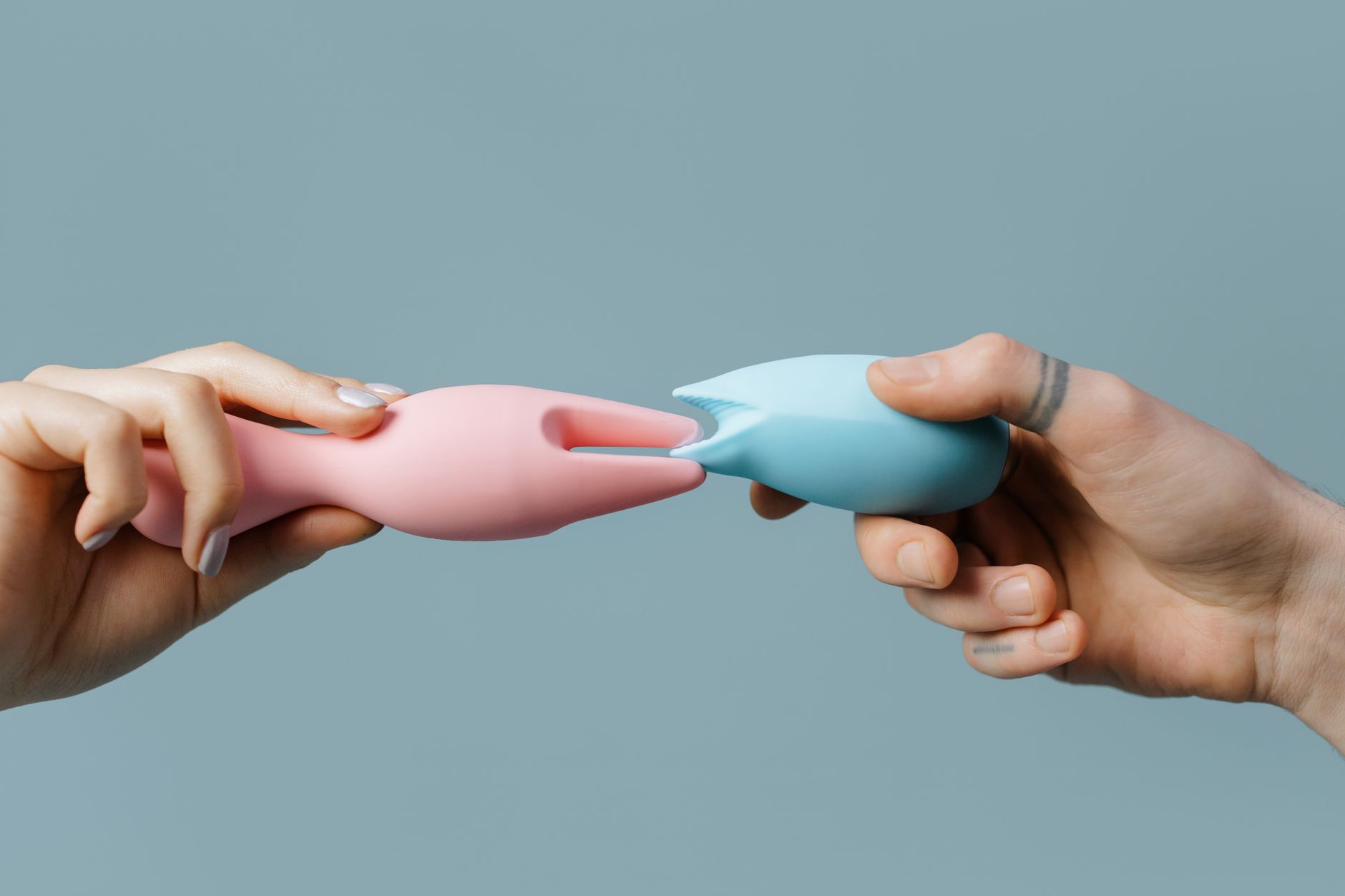
Let me be direct. A quality clitoral vibrator like those made by The Lemon Suction Toys isn't a substitute for partnered sex. It's not a consolation prize. It's a tool for maintaining your own sense of agency and pleasure when the two of you are out of sync.
Here's what I see in my practice: when one partner has significantly higher desire, they often do one of three things. They suppress their own needs (which breeds resentment). They pressure their partner (which breeds defensiveness). Or they reach for the first easy fix without thinking through what they actually need. A lemon vibrator used intentionally sits in a completely different category. It's about self-advocacy, not avoidance.
The clitoral suction technology in lemon vibrators works fast. You're not spending 45 minutes hoping something clicks. You're creating the specific sensation your body wants, on your timeline, without negotiation. That matters more than it sounds when you're already tired of feeling like your needs are secondary.
Before you reach for any toy, you and your partner need to separate two conversations that usually get tangled.
Conversation one: "My body has different timing and intensity needs than yours does." This is biological fact. It's not judgment. It's not rejection of them.
Conversation two: "I want us to feel connected." This is the emotional piece. It's where most couples get stuck because they treat these as one conversation and blame goes everywhere.
Here's how to untangle them. Ask your partner: "I know we want sex at different frequencies. That's not about you. I'm wondering if we can find ways to stay physically close that don't always have to look like partnered sex." This opens the door to things like: you use a lemon vibrator while they're in the room. Or they touch you during it. Or you have that conversation afterward while you're both still in bed.
The point is mutual awareness, not secrecy. Secrecy is what turns a vibrator into a symbol of the larger problem. Transparency transforms it into a solution both of you chose.
One practical setup that works for many couples with mismatched timelines: your partner touches you and uses a lemon vibrator on you simultaneously. This takes pressure off them to match your arousal curve while keeping you both engaged. You're not requiring them to want what you want. You're both participating in your pleasure.
Another real scenario: you finish first using the vibrator while they continue. Then you switch roles. Or you both finish at completely different times and that's fine because you've explicitly agreed it's fine. The key is talking about it beforehand, not discovering mid-experience that one of you feels weird about it.
If your partner struggles with this (and some do because of insecurity or inexperience), start smaller. Use a lemon clitoral vibrator on your own before partnered sex, so you're already partially satisfied. This genuinely reduces pressure during sex because you're not carrying all your need into that window. You're already closer to the middle.
Here's what I want to be really clear about: using a vibrator alone because your partner doesn't want sex as much as you do is not cheating. It's not disloyal. It's maintenance. Your sexual self is not something you turn off because someone else's appetite is lower.
This is where a lot of people get stuck. They've inherited the message that desire should be reactive, partnered, responsive. If you want something your partner doesn't, the story goes, you should shrink your want.
Instead, think of it this way. Your partner might skip dinner at 6 p.m. and eat at 8. That doesn't mean you can't have dinner at 6. You're not being unfaithful to the relationship by eating when you're hungry.
Find a rhythm that works for your life. Some people use a lemon vibrator two or three times a week solo. Others use one every day. There's no correct frequency. There's only what your body actually needs and what fits into your life.
Here's where it gets tricky. Having higher libido than your partner often comes with an emotional tax. You might feel rejected. You might feel like your body is wrong. You might feel lonely inside a relationship.
A vibrator can't fix those feelings, but it can create space for them to be less acute. When you're not desperately waiting for your partner to want you, when you're meeting your own needs consistently, that background anxiety quiets down. You're not operating from scarcity anymore.
That shift alone changes how you show up in the relationship. You're less reactive. You're less resentful. You're more capable of actually enjoying the sex you do have together because you're not carrying all that pressure into it.
Some couples also find that when the higher-libido partner is satisfied regularly (with or without a partner), they actually want partnered sex more. It sounds counterintuitive, but it makes sense: you want sex when you're not desperately, achingly, frustrated-ly needing it. You want it when it's a choice, not a lifeline.
When you use a lemon vibrator relative to partnered sex affects everything. Some couples find that using it right before sex makes partnered sex feel anticlimactic. Some find that using it the morning after gives them breathing room and makes the next encounter less fraught.
There's no universal rule. You'll figure out what works by paying attention to how you actually feel. If you use a lemon vibrator and then feel distant during sex with your partner, that's information. Adjust. If you use one solo and feel closer to your partner afterward, note that.
The lemon clitoral vibrator becomes useful only when you're actually paying attention to what you need, not just going through the motions.
If the desire gap is coming with anger, if your partner is refusing to talk about it, or if you're contemplating infidelity as a way out, that's the moment to see a couples therapist. A vibrator can bridge a gap. It can't heal a relationship that's breaking down for other reasons.
Some couples need help learning how to talk about sexual mismatch without shame. Some need to figure out whether the gap is actually about libido or about trust, safety, or unresolved anger. A professional can help you tell the difference.
Stop thinking about your higher libido as a problem to manage. Start thinking about it as a part of who you are that deserves care. A lemon vibrator is part of that care. So is the conversation with your partner. So is understanding what your body actually needs and honoring it.
Your pleasure isn't a negotiation. Your relationship is. Those are different things. When you keep them separate, both get better.
Some partners do feel insecure at first. The best defense against that is transparency and reassurance that's specific. "I want this for myself, not as a replacement for you" works better than "it's not about you." Also, inviting them into the experience (watching, touching you while you use it, or discussing it afterward) often transforms threat into curiosity. If the threat persists after honest conversation, that's a sign the gap might be about something deeper than libido.
There's no magic frequency. Some people find that three times a week keeps them satisfied and patient. Others do it daily. Pay attention to your actual body and emotions, not a script. If you're using it as avoidance or if you're avoiding your partner in the process, that's worth examining. If it's genuine self-care, you'll feel the difference.
Transparency is almost always better than secrecy in long-term relationships. Secrecy creates shame and distance. A conversation like "I've been thinking about using a vibrator because our timing is different, and I wanted you to know" opens dialogue instead of closing it. Some partners want to be involved. Others want you to have privacy. Both are valid once it's out in the open.
Not necessarily. Some people find that regular solo pleasure actually increases their desire for partnered sex because they're not operating from desperation. Others find that a vibrator creates a baseline of pleasure that makes partnered sex feel less urgent. Again, this is individual. The way to know is to try it and pay attention.
That's actually a beautiful middle ground. Some couples find that using a lemon vibrator together during partnered sex brings everyone closer to satisfaction at the same time. Communication beforehand ("I'd like to try this, what do you think?") makes it collaborative instead of surprising.
Sometimes. If your partner's lower desire is from depression, medication side effects, or a health condition, addressing the root cause helps. But while that's happening, a lemon vibrator keeps you grounded. It's not fixing the underlying issue, but it's preventing you from being left entirely without pleasure while that issue gets addressed.