Let's be honest about what you're really doing here
Infidelity breaks something specific: the felt sense that your partner wants you, chooses you, and is safe with you. That's three different things to rebuild, and they don't rebuild at the same speed. Physical pleasure sometimes comes last, not first. Bringing a toy into that landscape isn't about making sex hotter. It's about creating a container where both of you can show up without defense or performance pressure.
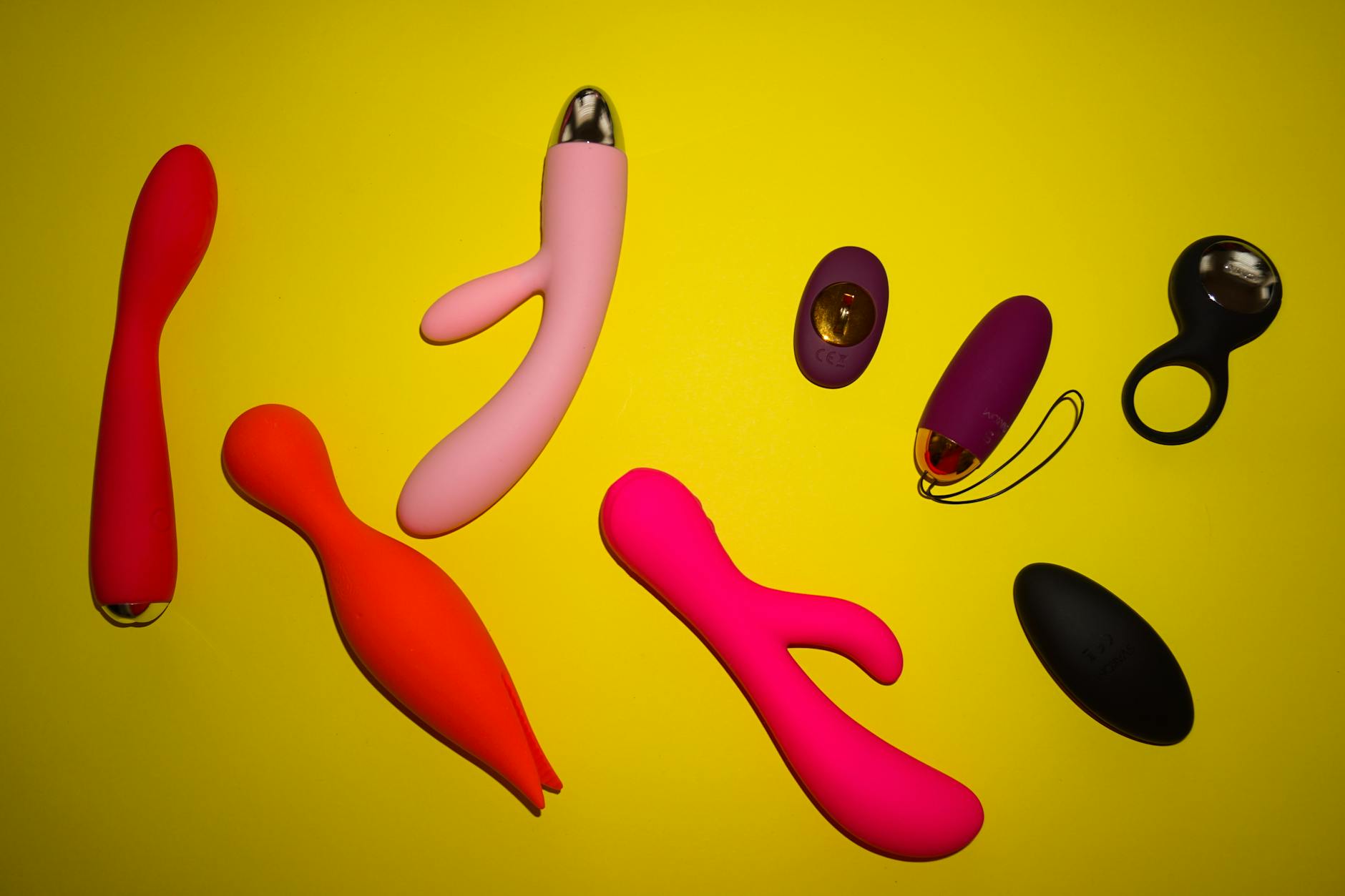
That's where lemon vibrators, specifically air suction toys like The Lemon Suction Toys' offerings, can actually help. Not because toys fix trust. But because they can change the dynamic from "proving something" to "exploring something together."
Why pleasure after betrayal feels different
Here's what happens neurologically. After infidelity, your nervous system has learned that desire from your partner isn't safe. Your body might freeze. Your mind might race. Even if intellectually you've decided to stay and work on things, your nervous system didn't get that memo yet. That gap between decision and felt safety is where couples get stuck.
Pleasure after betrayal is often slower, more alert, more self-conscious. You might find yourself dissociating during sex, or noticing every micro-expression on your partner's face instead of feeling what's happening in your own body. That's not a sign you should stop trying. It's a sign that you need a different entry point.
Introducing a toy into this context shifts the conversation. It moves the focus slightly away from "Is my partner attracted to me?" and toward "Can we create something pleasurable together?" That's a much smaller ask.
The emotional groundwork comes first
Before you even think about toys, you need three things in place.
One: A concrete apology. Not "I'm sorry you felt hurt," but "I broke your trust, and I understand why you don't feel safe with me right now." Your partner needs to hear that you understand the specific harm. Then they need to see consistent action proving you've changed the behaviour that led to the infidelity. Toy or no toy, that foundation has to exist.
Two: A shared commitment to rebuilding. Both of you need to be choosing this. If one person is doing all the emotional labor and the other is just going through the motions, nothing works. Not therapy, not toys, nothing. Have that conversation first. Make sure you're both actually in.
Three: Explicit consent about toys specifically. "I've been thinking we could try something together," is a conversation, not a surprise. Trauma from infidelity can make anything unexpected feel like a violation. Talk about what toy, what pattern, what happens if either of you feels uncomfortable mid-way. Consent conversations aren't mood-killers if you frame them right. "Let's figure out how we want to do this" is actually quite intimate.
Why air suction changes the dynamic
The lemon clitoral vibrators and other air suction toys from The Lemon Suction Toys work differently than traditional vibration. Instead of oscillation, they use gentle suction and release patterns that feel less aggressive and more like sustained attention. That matters after infidelity because it lowers the pressure to perform.
With a traditional vibrator, the goal feels very clear: get to orgasm. With air suction, the experience is more open. You might orgasm. You might not. The suction pattern itself feels good regardless. That takes enormous pressure off. You're not failing if you can't come. You're just feeling what it's like to be touched with intention by your partner.
The lem vibrator, for example, works through a pattern of suction pulses that create a unique sensation. When one partner holds the toy and the other receives, it creates a dynamic where pleasure is being given rather than performed. That shift matters more than you'd think.
How to actually introduce it
Start small. Not during sex. Start during a moment of non-sexual touch.
Say something like: "I'd love to spend 20 minutes together just exploring what feels good. No pressure to go anywhere. Just checking in with sensation." Light a candle. Turn off phones. Create a container.
Begin with touch. Hands, maybe a massage. Let things warm up naturally. Then, when you both feel present, say: "I brought the toy. Can I try it on you?" Simple. No framing, no performance language.
If you're the partner receiving, your job is just to receive. Notice what's happening in your nervous system. Does it feel safe? Does it feel pleasurable? Those are data points, not judgments. If your mind drifts to the infidelity, that's normal. Gently bring it back: "What does this sensation feel like right now?"
If you're the partner using the toy, pay attention to your partner's breathing, muscle tension, feedback. You're not trying to make something happen. You're creating an experience together. That's a fundamentally different role than what might have led to infidelity in the first place.
The conversation that needs to happen mid-way
Most couples skip this and it breaks everything. Usually around the three- to six-month mark after discovery, one person is moving faster toward "normal" and the other isn't. The person moving faster wants to stop talking about the infidelity, wants to have sex like before, wants the toy to be playful instead of restorative.
That's the moment when you need to pause and check in. "I'm noticing we might be moving at different speeds. Where are you actually at right now?" Be honest. If you're not ready to feel playful with your partner yet, that's valid. If you're ready but feeling performance pressure, that's different and needs naming.
The toy works best when it's actually aligned with where you both are. Using it while one person is secretly resentful or still in hypervigilance mode will just embed more distance.
Red flags that mean you need more support
If you're consistently dissociating during partnered pleasure, you probably need a trauma-informed sex therapist before toys help. Dissociation after betrayal is common, but it's also a sign your nervous system is still in protective mode. The toy won't fix that. Processing the betrayal with someone trained in that specific kind of injury will.
If you're using the toy to avoid talking about whether you actually want to stay together, you're stalling. Toys are not therapy. They can support rebuilding, but they can't replace the hard conversations about whether this relationship is actually repairable for both of you.
If one partner is pushing the toy and the other is reluctant but agreeing, it won't work. Full stop. Rebuilding after infidelity requires mutual choice at every step.
What actually matters
Lemon vibrators, air suction toys, any device.none of them matter as much as this: intentionality. Showing up physically with your partner after betrayal is not about passion right now. It's about discipline. It's about choosing to be present, vulnerable, and consistent even when it feels awkward or uncertain.
The pleasure comes after the trust. And the trust comes after proof. The toy doesn't build proof. Your actions do. But it can create a space where some of that rebuilding actually happens.
FAQ
Can using a toy help me forgive my partner faster?
No. Pleasure and forgiveness are separate neurological processes. You can't use a toy to speed up forgiveness. What you can do is use shared pleasure as evidence that connection is possible. That's different from forgiveness. Forgiveness takes its own timeline. Stay patient with that.
What if I don't want to use a toy yet?
Then don't. There's no timeline here. If your partner is pushing and you're not ready, name it. "I need more time before introducing something new. Can we rebuild physically in smaller ways first?" That honesty is actually more valuable than grudging agreement.
Should we tell our therapist we're using toys during rebuilding?
Yes, especially if you're working with a sex-positive therapist. It's useful data. It shows that you're trying new approaches and it gives the therapist insight into whether the dynamic is actually shifting or just appearing to shift. Your therapist has heard it all. You're not shocking anyone.
What if we try it and it feels awful?
Stop. You don't have to keep going. You can say "This isn't working for me right now," and mean it. The point is that you tried together. The trying is the data. Then you can adjust. Maybe a different toy, maybe a different context, maybe a conversation with a therapist about what made it feel off.
How do I know if we're actually rebuilding or just pretending?
Trust comes back through small, consistent actions. Does your partner answer texts promptly? Do they check in about how you're doing? Are they doing the work of understanding what led to the infidelity? Are you able to laugh together sometimes? The toy is just one small piece. The real rebuilding happens in dozens of micro-moments across weeks and months. Watch for patterns, not single events.
Is it normal to feel angry during partnered pleasure after infidelity?
Completely normal. You might feel angry at your body for responding. You might feel angry that you still want your partner. You might feel angry that pleasure is possible when you're also hurt. Those feelings can coexist with pleasure. They don't cancel it out. Notice them. Don't act on them during the experience. Process them afterward if you need to.
What comes next
Rebuilding intimacy after infidelity isn't a fixed process with a finish line. It's a practice of choosing each other repeatedly, checking in honestly, and being willing to adjust when something isn't working. Toys can be part of that practice. They can create safe containers for pleasure. But they're never the main work. That work is yours, as two people trying to trust again.
If you're ready to start rebuilding and want to explore at your own pace with genuine support, reach out. We're here to help you figure out what works for your specific situation.
References
Gottman, J. M., & Silver, N. (2015). The Seven Principles for Making Marriage Work. Harmony Books.
van der Kolk, B. A. (2014). The Body Keeps the Score: Brain, Mind, and Body in the Healing of Trauma. Penguin Books.
Perel, E. (2018). The State of Affairs: Rethinking Infidelity. Harper.