How to Use Lemon Vibrators When Your Partner Wants Penetration and You Prefer Clitoral Stimulation
What looks like a preference mismatch is often just a communication problem. A couples therapist on how lemon clitoral vibrators bridge the pleasure gap.
One of you is thinking penetration. The other is thinking clitoral stimulation. Neither of you is wrong. Neither of you is broken. You're just operating from different bodies and different nervous systems, and somewhere along the way, you learned to treat this difference like a problem to solve instead of information to work with.
I've sat with hundreds of couples where this exact dynamic plays out. One partner feels like their needs are a burden. The other feels like their pleasure is being dismissed. Both are usually right. And almost always, the real issue isn't preference mismatch. It's that you haven't built a language or a routine that lets both things happen at once.
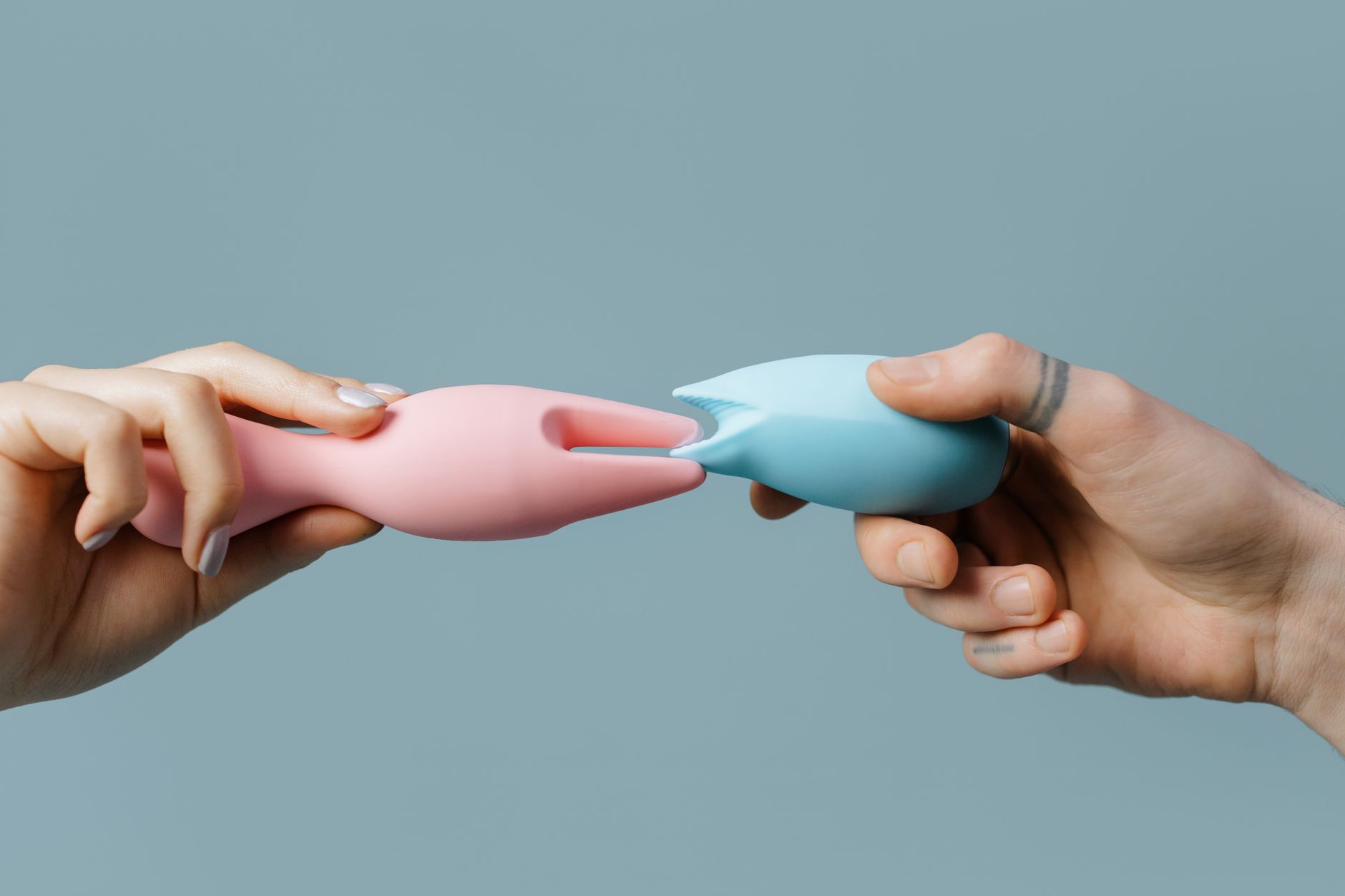
This is exactly where lemon vibrators change the game. Not because they're magic, but because they're designed to do one thing exceptionally well. That focus creates space for something else to happen simultaneously.
Biology is the first part. Roughly 70 percent of people with vulvas don't orgasm from penetration alone. Most need consistent clitoral stimulation to reach orgasm, while it's the primary source of pleasure. Many partners with penises are wired to find penetration the fastest path to their own pleasure and sometimes assume it should work the same way for their partner.
Then comes the social layer. You've probably absorbed messages that penetration is "real sex" and everything else is foreplay. That clitoral focus is selfish or that a good partner should be enough. These stories sit underneath the surface and make it harder to ask for what you actually need.
Third is the practical one. If you've only ever explored pleasure in one frame (penetration), you haven't developed other pathways. Your partner hasn't learned to use their hands differently. You haven't figured out positions where both things can happen. So it feels like you have to choose.
The truth is simpler. You're just missing the toolkit.
Let's get specific. Say you're with your partner, penetration is happening, and you're waiting to feel something. But you're not feeling much. Your partner is building toward orgasm. You feel the clock ticking. This creates stress, which creates numbness, which means you end up faking it or just stopping.
This is where a lemon clitoral vibrator changes the equation. It's not replacing penetration. It's running on a separate track. Here's what that looks like in practice.
You or your partner holds the vibrator against your clitoris while penetration is happening. The suction sensation of the lemon vibrator stimulates the clitoral nerve endings directly. Penetration is stimulating the vaginal and cervical tissue. Your nervous system is receiving two distinct signals at once, which often amplifies both sensations. Your partner is getting the feeling of penetration they want. You're getting direct clitoral focus. Neither of you is waiting for the other.
If you're trying this for the first time, some practical groundwork helps.
Pick a position that leaves your clitoris accessible. Missionary with a pillow under your hips, or side by side, or you on top. Positions where the clitoris isn't pressed directly into your partner's body give you actual space to use the vibrator. This matters more than people think.
Start with the vibrator before penetration. Use the lemon vibrator on your clitoris until you're aroused and heading toward orgasm. This primes your nervous system and makes you more likely to stay engaged when penetration begins. Your partner can watch this. They can learn what pattern makes you respond. This is information they're gathering, not a performance they're witnessing.
Introduce penetration when you're already stimulated. This is the opposite of most couple scripts. Usually penetration starts first and clitoral stimulation is added as a rescue. Instead, build clitoral pleasure first. Then your partner enters. The sensation will feel totally different because your tissue is already engorged and responsive.
Keep the vibrator on throughout. This is the key move. Your partner can penetrate slowly while you keep the vibrator steady on your clitoris. You can vary the suction setting on the Lem if you need different intensities. Your partner can speed up or change angle based on what they feel. You're both adjusting in real time.
Communicate pressure and positioning. Sometimes the vibrator angle changes when your partner moves. Sometimes you need to adjust. This isn't failure. Say "move left" or "hold still for a second." Your partner needs to know that feedback helps, not hurts.
Here's what I notice when couples shift into this framework: the baseline anxiety drops. You're not waiting for your body to do something it doesn't naturally do. Your partner isn't frustrated that penetration alone isn't working. You're both on offense instead of defense.
Your partner also gets something they might not expect. Watching you use the vibrator, seeing your body respond to direct clitoral stimulation, hearing what works for you. They're learning. That's intimacy. That's the opposite of rejection.
And the orgasms tend to be stronger because you're not splitting your attention between pleasure and worry. Your nervous system is entirely in the experience.
Before you try anything, you need five minutes of honest talking. Here's the shape of it.
Start with: "I want us both to feel good, and right now I'm not sure we have a way for that to happen at the same time." That's the honest opening. Not an accusation. Not a complaint. Just a fact.
Then: "What I need clitorally doesn't take anything away from what you need. They can happen together. I want to figure out how."
Then ask your partner what they're actually looking for. Is it the feeling of being inside you? Is it the visual of you losing control? Is it the closeness? Usually it's multiple things, and you can address most of them while also attending to your pleasure.
Then try something. If it doesn't work the first time, adjust. Talk about what felt off. Try again. This is how couples actually build sexual intimacy that lasts. Not through one perfect encounter, but through a willingness to problem-solve together.
Your partner's pleasure and your pleasure are not in competition. They're just on different timelines right now because you haven't built the infrastructure to run them in parallel. That's all this is. A missing piece of infrastructure.
Lemon suction toys like the Lem are particularly useful for this because they don't require the same precise positioning that vibrators do. If your partner moves and the vibrator loses contact, you lose the stimulation. With suction, the sensation is less location-dependent. It holds contact better. You can move a bit without losing the thread.
The other advantage is sensation variety. You're not just getting vibration. You're getting rhythmic suction, which feels fundamentally different from in-and-out penetration. This difference is what makes both sensations distinct enough to register simultaneously instead of blending into background noise.
Don't lead with the problem. Lead with curiosity. "I've been thinking about ways we can both finish satisfied at the same time. I read about using a clitoral vibrator during penetration. Would you be open to trying that?" That's a question, not an accusation. It positions you as a team problem-solving, not as you being disappointed.
That's worth exploring separately from the mechanics. Usually that's about a story they're carrying. "If you need a toy, I'm not enough." That belief isn't factual, but it's real to them. Have a conversation about what they're actually worried about. Then explain what the vibrator does. It doesn't replace them. It runs a separate circuit. If that doesn't land, couples therapy is genuinely useful here because this is a communication issue, not a sex issue.
Absolutely. You can use the vibrator while your partner uses their fingers or another toy for penetration. Or you can use two vibrators. Or your partner can receive oral while you use the vibrator on yourself. The principle is the same. You're creating a scenario where both pleasure preferences can exist simultaneously.
First time is awkward. That's normal. Second time is better. By the third or fourth time you've actually integrated it into sex, it starts to feel natural. You stop thinking about the mechanics and start just being present. That's when the pleasure usually deepens.
Then you have a separate conversation. Penetration can cause pain, numbness, or just not feel like much. That's valid. Some of that is physical (hormonal changes, pelvic floor tension) and some is psychological (past experience, being in your head). If penetration doesn't feel good, forcing it while using a vibrator elsewhere won't fix the underlying issue. That's worth talking through with a therapist or healthcare provider.
You on top gives you the most control over depth and angle while keeping your clitoris accessible. Side by side works if your partner is comfortable reaching between you. Anything works as long as your clitoris isn't being pressed directly into your partner's body and there's space to hold the vibrator. Experiment. Your bodies will tell you what works.
Your preferences don't have to be the same to be compatible. They just have to exist in the same space. Lemon clitoral vibrators make that possible because they let penetration and clitoral focus happen as parallel tracks instead of competing demands. Your body gets what it needs. Your partner gets what they need. You both finish the experience feeling held instead of compromised.
That's the whole thing. Not a work-around. Just a better way of building intimacy that honors both of you.