It's not the vibrator itself. You're anxious about whether your body still works the way it used to. Whether pleasure is even possible anymore after so much time away. Whether you've somehow become a different person. That's the real worry underneath.
Here's what I know from years of working with people in your exact position. Your body hasn't forgotten. But your nervous system has learned caution. That's not a problem to fix. It's information to respect.
When you step away from pleasure for a long time, your nervous system doesn't just switch back on like a light. It's been running on low for years. Your brain is trying to protect you from disappointment, from feeling vulnerable, from the shame that sometimes gets tangled up with desire after an absence.
This isn't weakness. This is adaptation. Your body learned to survive without pleasure, and now it's suspicious that pleasure might hurt. That suspicion is actually intelligent. You just need to teach it slowly that it's safe again.
The other thing that happens during a long absence is deconditioning. Your pelvic floor gets tense. The tissue around your clitoris becomes less sensitive to ordinary touch. Blood flow to the area decreases. This isn't permanent. It shifts pretty quickly once you start touching yourself again. But you need to know it's there, so you don't mistake it for broken.
I mean this completely. Throw out the goal of reaching climax. For now, your only job is to notice what sensation feels like. Full stop.
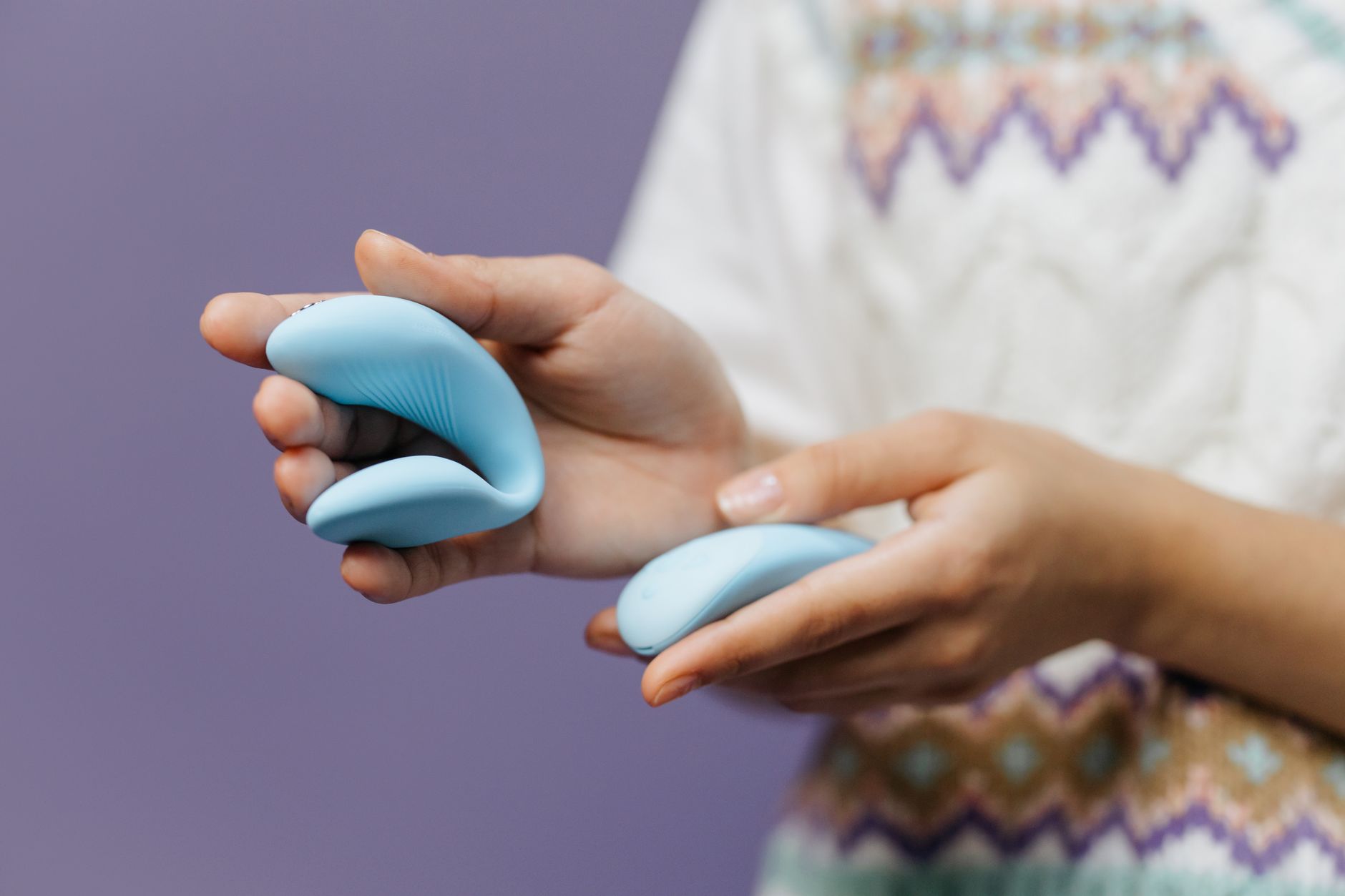
Take your lemon vibrator. Don't turn it on yet. Just hold it. Feel the weight, the texture. Let your nervous system get familiar with the object before it has to process movement. Spend time just existing near it without pressure to perform.
When you do turn it on, start at the absolute lowest setting. The Lemon Suction Toys products are designed to work at multiple intensities, so use that. Pattern 1. That's it. Your clitoris has been underestimated for years. It doesn't need intensity right now. It needs gentleness and repetition.
Session one: exploration only. Turn the lemon vibrator to the lowest setting and let it touch your clitoris for maybe 30 seconds. Then stop. That's the whole session. Your job is to notice. Does it feel good? Does it feel weird? Is there numbness or does sensation return quickly? All of this is useful data. None of it means anything is wrong.
Session two (24 hours later, minimum): do the same thing, but this time if it still feels good at 30 seconds, try 60. Notice if warmth builds. Notice if your breathing changes. Again, stop before you feel any pressure to continue.
Session three: if the first two sessions went okay, try two minutes at the lowest setting. This is where many people start to feel the first small hints of arousal. Resist the urge to immediately turn up the intensity. Your body is building a habit of safety. Let it work.
This might sound impossibly slow. It is. That's the point. When you've been absent from your body for years, slow is what rewires your nervous system. Fast triggers the same anxiety response that's been keeping you locked down.
Most people who've been away from pleasure for a long time report that sensation feels distant at first. Like you're watching your body from outside it, rather than inhabiting it. This is called dissociation and it's a totally normal protective response.
Here's the thing: you don't fix it by trying harder or using more intensity. You fix it by staying present with whatever sensation exists right now, no matter how faint. That presence is what brings you back.
Try this: before you use the vibrator, spend five minutes touching your skin with your hand. Your arm, your neck, your thigh. Notice where you can feel sensation and where it's numb. This map is helpful information. It shows you where your nervous system is still guarded.
Then when you use your lemon vibrator, pay attention to whether sensation improves after a few seconds. Usually it does. The tissue wakes up. Blood flow returns. But only if you stay curious rather than frustrated.
If numbness persists after several sessions, that's worth mentioning to a therapist or your doctor. Sometimes medication side effects or past trauma need professional support. That's not failure. That's just information telling you where you need help.
Most people who've been away from pleasure carry some version of this belief: "I shouldn't want this. Something is wrong with me for wanting to feel good." It might come from your family, your religion, a past relationship, or just the ambient culture we all swim in.
Your nervous system doesn't distinguish between real danger and shame. Both register as "threat." So when you're using a lemon vibrator and shame shows up, your body might freeze, or you might suddenly feel disgusted, or you might lose all sensation.
When that happens, stop. Breathe. Talk to yourself the way you'd talk to a friend. "I'm allowed to explore my pleasure. There's nothing wrong with this. My body deserves to feel good." This isn't manifesting or positive thinking. It's literally retraining your nervous system to recognize that pleasure is safe.
If shame is really loud and persistent, that's therapist territory. Many people find that working with someone, even for a few sessions, completely shifts their relationship with their body. It's worth the investment.
Once you've done the three-session foundation work, you can start experimenting with slightly longer sessions. Maybe five minutes instead of two. Maybe pattern 2 instead of pattern 1. Maybe touching your body at the same time as using the vibrator.
But here's what I tell everyone: this process should feel expansive, not pressured. If you're gritting your teeth or checking the clock, you're moving too fast. Dial it back. Your nervous system will tell you when it's ready for more.
The people who report the most pleasure after a long absence aren't the ones who pushed hard. They're the ones who gave themselves permission to move slowly. Who stayed curious instead of outcome-focused. Who celebrated small wins like "I felt something today" instead of waiting for a dramatic climax.
After a few weeks of consistent, gentle exploration, most people notice that sensation deepens. That arousal comes more naturally. That shame has quieter. That's when you might experiment with going to pattern 3, or using the vibrator in new ways, or combining it with touch from a partner if you have one.
But there's no rush. Pleasure that comes after a long absence is worth the slow rebuild.
If you're several weeks in and you're still feeling completely numb, or if shame is so overwhelming that you can't touch yourself without feeling disgust, talk to a therapist. Specifically, look for someone trained in somatic therapy or trauma-informed sex therapy. They can help you understand what's happening in your nervous system and give you tools to rewire it.
If you're in a partnership and they're becoming impatient with your timeline, that's also worth addressing with professional support. Your healing doesn't have an expiration date. Anyone who loves you should be able to wait.
The Lemon Suction Toys are designed to work with your body, not against it. But they're a tool. The real work happens in your nervous system, in how you talk to yourself, in the time and patience you give yourself to come back home.
Every nervous system is different, but most people report a noticeable shift within 2-4 weeks of consistent, gentle exploration. Some people feel comfortable pushing intensity up after a couple weeks. Others need 6-8 weeks of the slow approach. The key is that you're tracking your own comfort, not following a timeline. If something doesn't feel right, slow down. If it feels good, you can gradually expand. Rushing defeats the whole purpose, which is teaching your body that pleasure is safe and available.
That's a conversation to have before you start. Let them know that your first few sessions need to be solo. Your nervous system needs to relearn how to respond to sensation without the performance pressure of being with someone else. Once you've done the foundation work alone and feel more grounded, partner exploration can be beautiful. But starting solo gives you the space to tune into your own body without trying to read their reactions at the same time. Most partners understand this when you explain that it's about building your confidence first.
Yes. In fact, many people find that exploring with a tool designed for pleasure can actually help counteract the arousal side effects of medication. The key is managing expectations. Your brain chemistry is different right now, which might mean sensation takes longer to build or orgasm feels harder. That's not a reason to stop. It's a reason to go even slower, use even lower intensities, and celebrate small wins. If medication is significantly blocking pleasure, that's a conversation with your prescriber. Sometimes adjusting dose or timing can help. But while you're figuring it out, exploration at your own pace is still valuable.
Completely normal. Pleasure and vulnerability are tangled up together. When you've been protecting yourself by staying disconnected from your body, reconnecting can bring up big feelings. Sadness for the time you've been away. Grief for what you missed. Sometimes even joy or relief. All of that is your nervous system integrating the message that it's safe to feel again. If emotions come up during a session, pause and let yourself feel them. You don't have to keep going. The vibrator will still be there tomorrow. Your emotional safety matters more than proving you can keep going.
That's a red flag that your partner might not understand what a long absence from your body means. Healing isn't about willpower or rushing through. It's about nervous system safety. If someone genuinely loves you, they can wait for you to rebuild trust with yourself. A good partner will actually understand that your slowness is wisdom, not weakness. If they're pressuring you to move faster, that pressure itself is a reason to slow down more. Your body needs to learn that it's safe with this person. Pressure teaches the opposite.
Yes, and honestly, many trauma survivors find that exploring pleasure on their own timeline, at their own pace, is actually healing. But do it with support. A trauma-informed therapist can help you notice when your nervous system is triggered and give you tools to stay grounded. Some people find that starting with external touch (like your own hand) before introducing a vibrator helps. Others prefer the predictability of a tool. You get to decide what your body needs. Just listen to what it tells you and don't override those signals in the name of "progress."
Years away from your body doesn't mean you've lost your capacity for pleasure. It means your nervous system learned to survive without it. That was intelligent. Now it's time to teach it that pleasure is safe again, one slow, gentle session at a time. The lemon vibrator is just the tool. The real work is the permission you're giving yourself to come back.