Let's be real about stress and desire
Stress doesn't just make you tired. It hijacks your nervous system, floods your body with cortisol, and convinces your brain that pleasure is a luxury you can't afford right now. When you're managing a divorce, a job loss, a health scare, or a relationship crisis, your libido doesn't just take a backseat. It gets left on the curb.
Here's what I see in my practice constantly: people who were sexually satisfied suddenly can't access that part of themselves. They feel numb. Broken. The intimacy is gone, and they blame themselves instead of understanding what stress actually does to desire.
The good news? Desire isn't dead. It's dormant. And there's a meaningful difference.
What stress actually does to your sexual response
When you're in crisis mode, your body prioritizes survival over sensation. Your sympathetic nervous system (the fight-or-flight response) is running the show. That system narrows your attention, raises cortisol, and literally diverts blood flow away from sexual organs. You can't feel arousal the way you normally do because your nervous system has decided arousal is irrelevant.
This isn't psychological weakness. It's biology.
The second piece is cognitive load. If your brain is actively solving a problem or carrying emotional weight, it can't simultaneously be present for pleasure. Presence is non-negotiable for arousal. You can't think your way into wanting sex while your mind is replaying a fight with your partner or worrying about money.
Third is disconnection from your body. When things are hard, many people mentally check out as a coping mechanism. Sex requires you to be very much checked in. If you've been dissociating to survive, asking your body to feel pleasure feels almost unsafe.
Why lemon clitoral vibrators work particularly well during recovery
They work because they don't require you to generate arousal on your own. That matters.
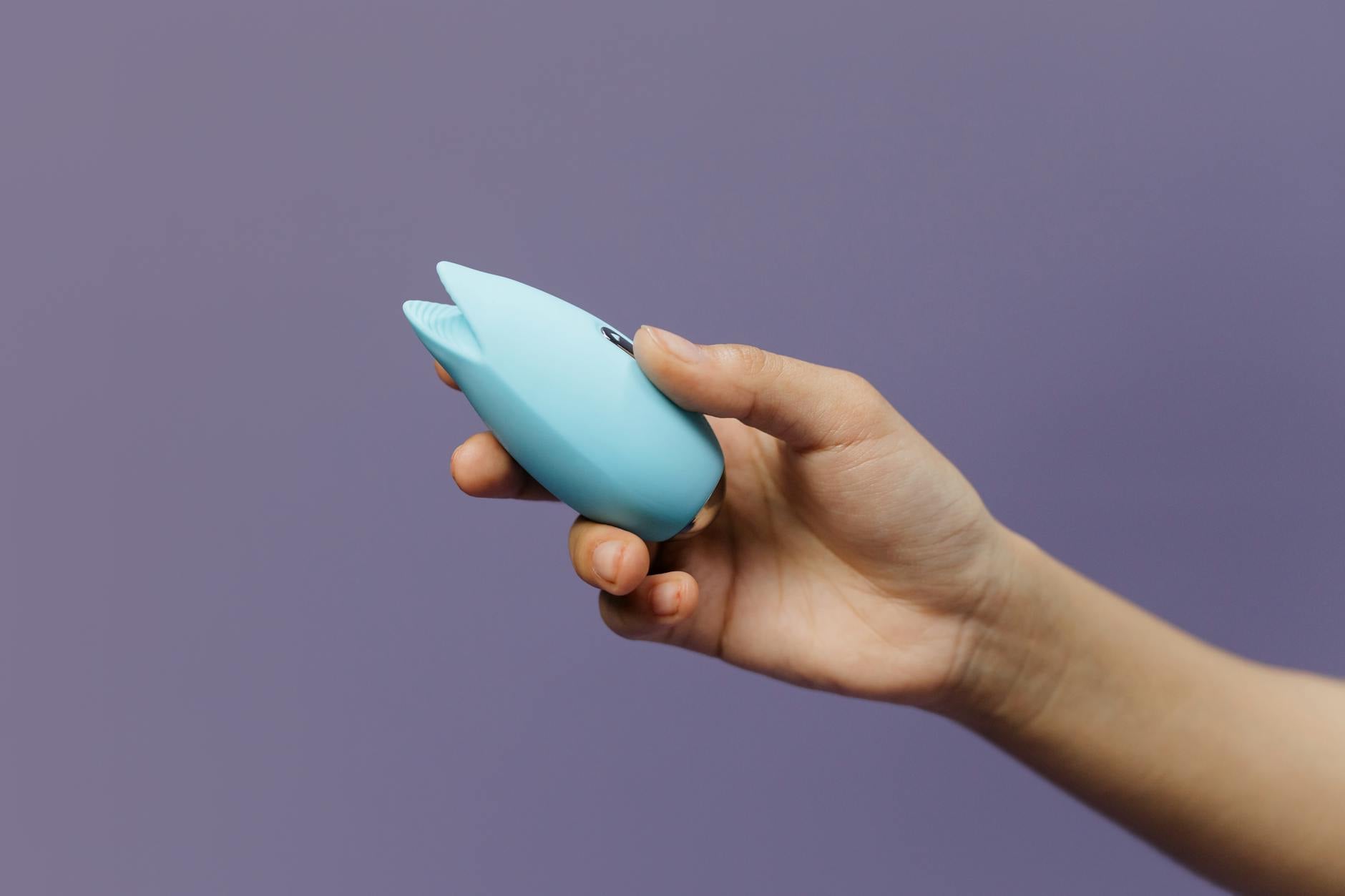
When desire is depleted, the entry barrier is huge. You need external input to wake up your nervous system. Lemon vibrators like the clitoral sucking toys provide direct, measurable stimulation. You're not waiting for something to happen. It's happening now, in your hand, reliably.
Second, suction-based lemon adult toys have a lower threshold for sensation than traditional vibrators. They don't require the same level of arousal to feel good. Even when you're numb, suction can often break through that numbness because it stimulates the nerve clusters differently.
Third, they're small enough to use solo without performance pressure. You're not negotiating with a partner about why you're not in the mood. You're just exploring what your body can feel right now, alone, on your terms.
The pre-pleasure reset: three things to do before you use a lemon vibrator
Jumping straight into pleasure when you're stressed rarely works. You need to shift your nervous system first.
Step one: Schedule it. Not "sometime this week." An actual 30-minute block on your calendar. This sounds unromantic, but it works. When pleasure is scheduled, you're giving yourself permission in advance. Your brain stops treating it as selfish or procrastination. It's an appointment with yourself.
Step two: Kill the inputs 15 minutes before. Phone off, notifications silenced, door locked. Stress loves background noise and half-attention. Pleasure needs the opposite. Give yourself a runway where your nervous system can actually downshift.
Step three: Warm up your body first. Not necessarily sexually. Physical warmth helps. A shower, a heating pad, sitting in the sun. Tension lives in tight muscles, and tight muscles block sensation. When your body is physically relaxed, arousal signals get through more easily.
The actual steps to using lemon vibrators when desire is low
Start at the lowest setting. This is not the time to go straight to intensity. Your nervous system needs gentle input. Begin at pattern one or two on your lemon sexual toy. Give your body permission to take 10-15 minutes to wake up. This isn't failure. This is recalibration.
Use external sensation first. Don't dive internally. With a clitoral vibrator or lem vibrator, spend time on the clitoral area externally. That's where the most nerve density lives, and it's the fastest path back to sensation. Work there for several minutes before considering anything else.
Expect it to feel different. After a stress period, pleasure often feels muted. You might not experience it the way you remember. That's normal and temporary. Stay with it without judgment. Your nervous system is literally learning to access this response again.
Stop if you feel nothing after 15 minutes. This isn't about forcing yourself to orgasm. If your nervous system isn't responding after 15 minutes, that's information. It means you need more recovery time, or you need external help (like a partner or therapy). Honor that instead of pushing through.
What rebuilding actually looks like week to week
This is not a one-session reset. Rebuilding desire after major stress is gradual.
Week one and two, use your lemon clitoral vibrator just to get reacquainted with sensation. No goal of orgasm. Just touch, feel, explore. Ten to 15 minutes. You're teaching your body that pleasure is safe again.
Week three and four, start experimenting with different speeds or patterns. Maybe now you can tolerate a medium intensity. Maybe you start noticing what feels good versus what feels neutral. This is the beginning of arousal rediscovering itself.
Week five and beyond, if you have a partner, you can reintroduce shared pleasure. But start with the partner holding the lemon vibrator while you direct. You keep the control. Your partner is supporting, not leading. This matters for your nervous system's trust.
Some people need eight weeks of this rhythm. Some need four. There's no standard.
The role of your partner during this recovery
If you have one, they need to understand this clearly: your low desire is not about them. It's not a reflection of attraction or commitment. It's a nervous system that's been in survival mode. That's the entire conversation.
What helps partners: your person asking "what would feel good to you right now?" instead of initiating sex. Offering to create the quiet, warm space where you can explore on your own or together. Being genuinely okay if you discover you need to rebuild this alone for a few weeks. Understanding that you might climax, or you might just reconnect with sensation. Both are wins.
What doesn't help: pressure, comparison to before, impatience, or taking your stress-depleted libido personally.
If rebuilding desire requires actually working with a therapist to address the underlying stress or trauma, that's valid and sometimes necessary. There's no shame in that. Sex therapists exist for this exact reason.
Why this works: the nervous system science
Your parasympathetic nervous system (the rest-and-digest side) is where arousal lives. Stress keeps you in sympathetic mode. Using a lemon vibrator in a calm, scheduled, pressure-free context does something crucial: it teaches your nervous system that it's safe to access pleasure again. The suction stimulation gives your brain input that says "okay, arousal is happening." Your body starts to remember what that feels like. Gradually, the pathway rebuilds.
This is why rushing doesn't work. Your nervous system learns at its own pace. But it does learn.
Questions people ask when rebuilding desire
How long until I feel normal again?
Usually four to eight weeks of consistent, gentle exploration. Some people bounce back faster if the underlying stress resolves. Others need longer if the stress is still active. You're looking for a pattern of increasing ease, not a switch flipping overnight.
What if I use the lemon vibrator and feel worse, not better?
That sometimes happens if shame is tied to your stress. Grief can also make pleasure feel disrespectful. If using a clitoral vibrator increases distress, pause. Talk to a therapist. Your grief or shame deserves acknowledgment before pleasure returns. That's not weakness. That's wisdom.
Can I rebuild desire alone, or do I need my partner involved?
Many people rebuild faster alone first. Using lemon sexual toys solo removes performance pressure entirely. You're just learning what your body can feel. That foundation helps when you eventually include a partner. But if you're rebuilding in a relationship and your partner is supportive, couple-based exploration can work too. Different paths, both valid.
Is it normal to need lemon vibrators now when I didn't before?
Yes. Your nervous system has been through something. External input helps bridge the gap while you recover. This isn't permanent. As your baseline stress lowers and desire rebuilds, many people find they need less external support. But some people just discover they prefer it. Both are fine.
What if I'm still in the stressful situation and can't escape it?
You can still reclaim small moments of pleasure within it. A 15-minute window with your lemon vibrator becomes a brief parasympathetic reset. It doesn't fix the larger problem, but it gives your nervous system a break and reminds your body that sensation exists. That matters.
Should I talk to my doctor if I still can't access desire after eight weeks?
Yes. Prolonged desire loss can signal depression, hormonal imbalance, or medication side effects. A good doctor will ask about the stressor, how long you've been dealing with it, and whether other symptoms showed up too. They might run blood work. They might refer you to a sex therapist or counselor. None of that means you're broken. It means you're being thorough.
The real takeaway
Desire doesn't vanish because you're weak. It goes offline because your nervous system is protecting you. The path back is gentle, scheduled, and low-pressure. A lemon vibrator is one tool that works because it doesn't ask you to generate arousal from nothing. It provides input your body can respond to while you're still in recovery.
Your pleasure matters, even when life is hard. Especially then.